Wednesday, April 15, 2009

Hypersensitivity


An allergy is a reaction of your immune system to something that does not bother most other people. People who have allergies often are sensitive to more than one thing. Substances that often cause reactions are

  • Pollen
  • Dust mites
  • Mold spores
  • Pet dander
  • Food
  • Insect stings
  • Medicines

How do you get allergies? Scientists think both genes and the environment have something to do with it. Normally, your immune system fights germs. It is your body's defense system. In most allergic reactions, however, it is responding to a false alarm.

Allergies can cause a runny nose, sneezing, itching, rashes, swelling or asthma. Symptoms vary. Although allergies can make you feel bad, they usually won't kill you. However, a severe reaction called anaphylaxis is life-threatening.

Taste and Smell Disorders

Our senses of taste and smell give us great pleasure. Taste helps us enjoy food and beverages. Smell lets us enjoy the scents and fragrances like roses or coffee. Taste and smell also protect us, letting us know when food has gone bad or when there is a gas leak. They make us want to eat, ensuring we get the nutrition we need.

People with taste disorders may taste things that aren't there, may not be able to tell the difference in tastes or can't taste at all. People with smell disorders may lose their sense of smell, or things may smell different. A smell they once enjoyed may now smell bad to them.

Many illnesses and injuries can cause taste and smell disorders, including colds and head injuries. Some drugs can also affect taste and smell. Most people lose some ability to taste and smell as they get older. Treatment varies, depending on the problem and its cause.

Sinusitis


Sinusitis means your sinuses are infected or inflamed. Your sinuses are hollow air spaces within the bones surrounding the nose. They produce mucus, which drains into the nose. If your nose is swollen, this can block the sinuses and cause pain and infection.

Sinusitis can be acute, lasting for less than four weeks, or chronic, lasting much longer. Acute sinusitis often starts as a cold, which then turns into a bacterial infection. Allergies, pollutants, nasal problems and certain diseases can also cause sinusitis.

Symptoms of sinusitis can include fever, weakness, fatigue, cough and congestion. There may also be mucus drainage in the back of the throat, called postnasal drip. Treatments include antibiotics, decongestants and pain relievers. Using heat pads on the inflamed area, saline nasal sprays and vaporizers can also help.

Nose Disorders


Also called: Nasal disorders

Whether it's large or small, button-like or beak-like, your nose is important to your health. It filters the air you breathe, removing dust, germs and irritants. It warms and moistens the air to keep your lungs and tubes that lead to them from drying out. Your nose also contains the nerve cells that help your sense of smell. When there is a problem with your nose, your whole body can suffer. For example, the stuffy nose of the common cold can make it hard for you to breathe, sleep or get comfortable.

Many problems besides the common cold can affect the nose. They include

  • Deviated septum - a shifting of the wall that divides the nasal cavity into halves
  • Nasal polyps - soft growths that develop on the lining of your nose or sinuses
  • Nosebleeds
  • Rhinitis - inflammation of the nose and sinuses sometimes caused by allergies. The main symptom is a runny nose

Nasal Cancer


lso called: Cancer of the nasal cavity, Cancer of the paranasal sinus

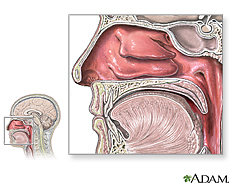
Your paranasal sinuses are small hollow spaces around the nose. They are lined with cells that make mucus, which keeps your nose from drying out. The nasal cavity is the passageway just behind your nose through which air passes on the way to your throat as you breathe.

Cancer of the nasal cavity and paranasal sinuses is rare. Men are more likely than women to get it, and most patients are older than 45. There may be no symptoms at first, and later symptoms can be like those of infections. This means the cancer may not be found until it is advanced, making it harder to treat. Treatment options include surgery, radiation and chemotherapy.

Hay Fever


Each spring, summer, and fall, trees, weeds and grasses release tiny pollen grains into the air. Some of the pollen ends up in your nose and throat. This can trigger a type of allergy called hay fever.

Symptoms can include

  • Sneezing, often with a runny or clogged nose
  • Coughing and postnasal drip
  • Itching eyes, nose and throat
  • Dark circles under the eyes

Taking medicines, using nasal sprays and rinsing out your nose can relieve symptoms. Allergy shots can help make you less sensitive to pollen and provide long-term relief.

Common Cold


Sneezing, sore throat, a stuffy nose, coughing - everyone knows the symptoms of the common cold. It is probably the most common illness. In the course of a year, people in the United States suffer 1 billion colds.

You can get a cold by touching your eyes or nose after you touch surfaces with cold germs on them. You can also inhale the germs. Symptoms usually begin 2 or 3 days after infection and last 2 to 14 days. Washing your hands and staying away from people with colds will help you avoid colds.

There is no cure for the common cold. For relief, try

  • Getting plenty of rest
  • Drinking fluids
  • Gargling with warm salt water
  • Using cough drops or throat sprays - but not cough medicine for children under four
  • Taking over-the-counter pain or cold medicines - but not aspirin for children

Allergy


Also called: Hypersensitivity

An allergy is a reaction of your immune system to something that does not bother most other people. People who have allergies often are sensitive to more than one thing. Substances that often cause reactions are

  • Pollen
  • Dust mites
  • Mold spores
  • Pet dander
  • Food
  • Insect stings
  • Medicines

How do you get allergies? Scientists think both genes and the environment have something to do with it. Normally, your immune system fights germs. It is your body's defense system. In most allergic reactions, however, it is responding to a false alarm.

Allergies can cause a runny nose, sneezing, itching, rashes, swelling or asthma. Symptoms vary. Although allergies can make you feel bad, they usually won't kill you. However, a severe reaction called anaphylaxis is life-threatening.
Color Blindness


Most of us see our world in color. We enjoy looking at a lush green lawn or a red rose in full bloom. If you have a color vision defect, you may see these colors differently than most people.

There are three main kinds of color vision defects. Red-green color vision defects are the most common. This type occurs in men more than in women. The other major types are blue-yellow color vision defects and a complete absence of color vision.

Most of the time, color blindness is genetic. There is no treatment, but most people adjust and the condition doesn't limit their activities.

Cataract


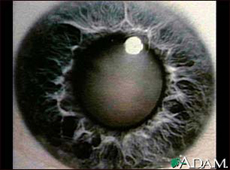
A cataract is a clouding of the lens in your eye. It affects your vision. Cataracts are very common in older people. By age 80, more than half of all people in the United States either have a cataract or have had cataract surgery.

Common symptoms are

  • Blurry vision
  • Colors that seem faded
  • Glare
  • Not being able to see well at night
  • Double vision
  • Frequent prescription changes in your eye wear

Cataracts usually develop slowly. New glasses, brighter lighting, anti-glare sunglasses or magnifying lenses can help at first. Surgery is also an option. It involves removing the cloudy lens and replacing it with an artificial lens. Wearing sunglasses and a hat with a brim to block ultraviolet sunlight may help to delay cataracts.

Gallbladder Cancer


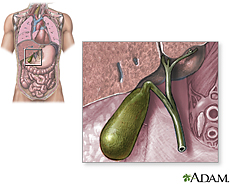
Your gallbladder is a pear-shaped organ under your liver. It stores bile, a fluid made by your liver to digest fat. As your stomach and intestines digest food, your gallbladder releases bile through a tube called the common bile duct. The duct connects your gallbladder and liver to your small intestine.

Cancer of the gallbladder is rare. It is more common in women and Native Americans. Symptoms include

  • Jaundice (yellowing of the skin and whites of the eyes)
  • Pain above the stomach
  • Fever
  • Nausea and vomiting
  • Bloating
  • Lumps in the abdomen

It is hard to diagnose gallbladder cancer in its early stages. Sometimes doctors find it when they remove the gallbladder for another reason. But people with gallstones rarely have gallbladder cancer. Because it is often found late, it can be hard to treat gallbladder cancer. Treatment options include surgery, chemotherapy, radiation or a combination.

Digestive Diseases


Also called: Gastrointestinal diseases

When you eat, your body breaks food down to a form it can use to build and nourish cells and provide energy. This process is called digestion.

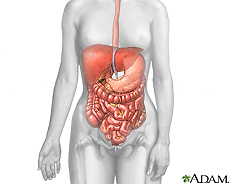
Your digestive system is a series of hollow organs joined in a long, twisting tube. It runs from your mouth to your anus and includes your esophagus, stomach, and small and large intestines. Your liver, gallbladder and pancreas are also involved. They produce juices to help digestion.

There are many types of digestive disorders. The symptoms vary widely depending on the problem. In general, you should see your doctor if you have

  • Blood in your stool
  • Changes in bowel habits
  • Severe abdominal pain
  • Unintentional weight loss
  • Heartburn not relieved by antacids

Colonic Diseases


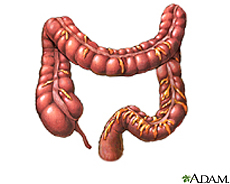
Your colon, also known as the large intestine, is part of your digestive system. It's a long, hollow tube at the end of your digestive tract where your body makes and stores stool. Many disorders affect the colon's ability to work properly. Some of these include

Treatment for colonic diseases varies greatly depending on the disease and its severity. Treatment may involve diet, medicines and in some cases, surgery.

Clostridium Difficile Infections


Also called: C. diff. infections, Clostridium enterocolitis, pseudomembranous colitis

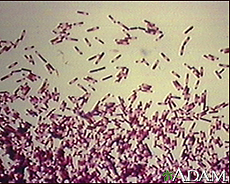
Clostridium difficile (C. difficile) is a bacterium that causes diarrhea and more serious intestinal conditions such as colitis. Symptoms include

  • Watery diarrhea (at least three bowel movements per day for two or more days)
  • Fever
  • Loss of appetite
  • Nausea
  • Abdominal pain or tenderness

People in good health usually don’t get C. difficile disease. You might get the disease if you have an illness that requires prolonged use of antibiotics. Increasingly, the disease can also be spread in the hospital. The elderly are also at risk. Treatment is with antibiotics.

Appendicitis


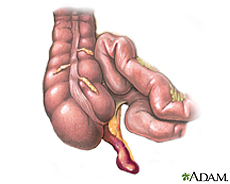
The appendix is a small, tube-like organ attached to the first part of the large intestine, also called the colon. It is located in the lower right area of the abdomen. It has no known function. A blockage inside of the appendix causes appendicitis. The blockage leads to increased pressure, problems with blood flow and inflammation. If the blockage is not treated, the appendix can break open and leak infection into the body.

Symptoms may include

  • Pain and/or swelling in the abdomen
  • Loss of appetite
  • Nausea and vomiting
  • Constipation or diarrhea
  • Inability to pass gas
  • Low fever
Not everyone with appendicitis has all these symptoms.

Appendicitis is a medical emergency. Treatment almost always involves removing the appendix. Anyone can get appendicitis. It happens most often to people between the ages of 10 and 30.

Cirrhosis


Also called: Hepatic fibrosis

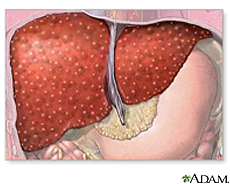
Cirrhosis is scarring of the liver. Scar tissue forms because of injury or long-term disease. Scar tissue cannot do what healthy liver tissue does - make protein, help fight infections, clean the blood, help digest food and store energy. Cirrhosis can lead to

  • Easy bruising or bleeding, or nosebleeds
  • Swelling of the abdomen or legs
  • Extra sensitivity to medicines
  • High blood pressure in the vein entering the liver
  • Enlarged veins in the esophagus and stomach
  • Kidney failure

About 5 percent of people with cirrhosis get liver cancer.

Cirrhosis has many causes. In the United States, the most common causes are chronic alcoholism and hepatitis. Nothing will make the scar tissue disappear, but treating the cause can keep it from getting worse. If too much scar tissue forms, you may need to consider a liver transplant.

Human Health

Public health problems caused by environmental contamination and emerging infectious diseases are a growing concern worldwide. These public health threats are affected by the relationship between people and the physical, chemical, and biological nature of our natural environments. Population growth and the associated pressures of development are increasing the difficulties associated with sustaining effective public health practices and policies. Vector-borne and zoonotic diseases, water contamination, airborne contaminants, bioaccumulative contaminants in the food chain, and environmental threats to public health the world over require marshalling of all our scientific knowledge and know-how to develop new solutions. Understanding environmental and ecological health is a prerequisite to protecting public health. As the Nation's natural science agency, USGS can play a significant role in providing scientific knowledge and information that will improve our understanding of the environmental contributions to disease and human health.

Tuesday, April 14, 2009

Fractures


Also called: Broken bone

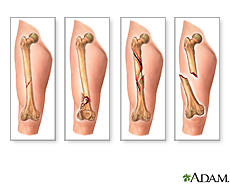
A fracture is a break, usually in a bone. If the broken bone punctures the skin, it is called an open or compound fracture. Fractures commonly happen because of car accidents, falls or sports injuries. Another cause is osteoporosis, which causes weakening of the bones. Overuse can cause stress fractures, which are very small cracks in the bone.

Symptoms of a fracture are

  • Out-of-place or misshapen limb or joint
  • Swelling, bruising or bleeding
  • Intense pain
  • Numbness and tingling
  • Limited mobility or inability to move a limb

You need to get medical care right away for any fracture. You may need to wear a cast or splint. Sometimes you need surgery to put in plates, pins or screws to keep the bone in place.

Arthritis


If you feel pain and stiffness in your body or have trouble moving around, you might have arthritis. Most kinds of arthritis cause pain and swelling in your joints. Joints are places where two bones meet, such as your elbow or knee. Over time, a swollen joint can become severely damaged. Some kinds of arthritis can also cause problems in your organs, such as your eyes or skin.

One type of arthritis, osteoarthritis, is often related to aging or to an injury. Other types occur when your immune system, which normally protects your body from infection, attacks your body's own tissues. Rheumatoid arthritis is the most common form of this kind of arthritis. Juvenile rheumatoid arthritis is a form of the disease that happens in children.

Foot Health


Your foot health can be a clue to your overall health. For example, joint stiffness could mean arthritis. Tingling or numbness could be a sign of diabetes. Swelling might indicate kidney disease, heart disease or high blood pressure.

To keep your feet healthy

  • Examine your feet regularly
  • Wear comfortable shoes that fit
  • Wash your feet daily with soap and lukewarm water
  • Trim your toenails straight across and not too short

Bone Cancer


Cancer that starts in a bone is rare. Cancer that has spread to the bone from another part of the body is more common.

There are three types of bone cancer:

  • Osteosarcoma - develops in growing bones, usually between ages 10 and 25
  • Chondrosarcoma - starts in cartilage, usually after age 50
  • Ewing's sarcoma - begins in nerve tissue in bone marrow of young people, often after treatment of another condition with radiation or chemotherapy

The most common symptom of bone cancer is pain. Other symptoms may vary depending on the location and size of the cancer. Surgery is often the main treatment for bone cancer. Other treatments may include amputation, chemotherapy and radiation.

Acoustic Neuroma

lso called: Acoustic neurilemoma, Acoustic neurinoma, Auditory tumor, Vestibular schwannoma

Acoustic neuroma is a non-cancerous tumor that develops on the nerve that connects the ear to the brain. The tumor usually grows slowly. As it grows, it presses against the hearing and balance nerves. At first, you may have no symptoms or mild symptoms. They can include

  • Loss of hearing on one side
  • Ringing in ears
  • Dizziness and balance problems

Acoustic neuroma can be difficult to diagnose, because the symptoms are similar to those of middle ear problems. Ear exams, hearing tests and scans can show if you have it.

If the tumor stays small, you may only need to have it checked regularly. If you do need treatment, surgery and radiation are options. If the tumors affect both hearing nerves, it is often because of a genetic disorder called neurofibromatosis. The tumor can also eventually cause numbness or paralysis of the face. If it grows large enough, it can press against the brain, becoming life-threatening.

Two new reports available for the OECD VERHI project

Two reports prepared in the context of the OECD project on valuation of environment-related health impacts for children (VERHI) have just been released:
- The Summary of Focus Group Discussions and Othe

About Our Health

Good health is necessary for individuals to flourish as citizens, family members, workers and consumers. Improving health is a key concern of OECD societies, as it can contribute to higher economic growth and improved welfare.